

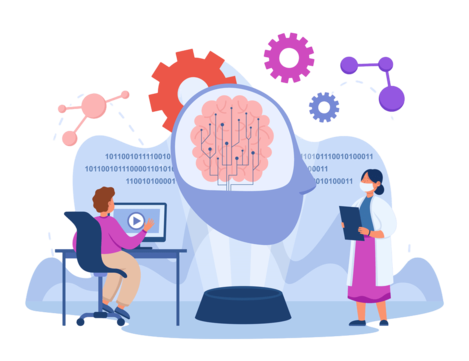
AI (Artificial Intelligence) and machine learning are transformative technologies that have revolutionized various industries, from healthcare to finance, from transportation to entertainment. At their core, AI and machine learning involve creating systems and algorithms that can perform tasks that typically require human intelligence. This includes tasks such as understanding natural language, recognizing patterns in data, making decisions, and even learning from experience.
Machine learning, a subset of AI, focuses on the development of algorithms that allow computers to learn from and make predictions or decisions based on data. These algorithms can be broadly categorized into three types:
AI and ML have diverse applications across various industries, including:
ChatGPT Artificial Intelligence (AI) and Machine Learning (ML) represent the cutting edge of technological innovation, promising to revolutionize nearly every aspect of our lives.At its core, AI aims to create systems that can mimic human intelligence, while ML focuses on developing algorithms that allow computers to learn from data and improve their performance over time.
Through AI and ML, computers can analyze vast amounts of data, recognize patterns, and make predictions or decisions with unprecedented accuracy. From autonomous vehicles and personalized recommendation systems to advanced healthcare diagnostics and natural language processing, the applications of AI and ML are diverse and far-reaching. However, with these advancements come significant ethical, social, and economic considerations. As we harness the power of AI and ML to solve complex problems and enhance productivity, it's essential to ensure responsible development, transparency, and accountability to mitigate potential risks and maximize the benefits for society as a whole.


 Now!
Now! At Workbase Inc, our commitment to technological advancement is
unwavering.
We consistently prioritize enhancing the services and tools we provide
to our clients,
ensuring continuous progress and innovation.